
 Blog
BlogBest Cash Flow Management Tools for Businesses in 2025

Cash flow management tools give businesses real-time visibility of money moving in and out, automate invoicing and bill tracking, and forecast shortfalls before they hit. The top seven for 2025 span Cloudfloat, Float, Pulse, QuickBooks Cash Flow, Xero Cash Flow Manager, PlanGuru and Wave, and the right choice comes down to matching each tool's strengths and costs to your business's size and needs.
What Are Cash Flow Management Tools?
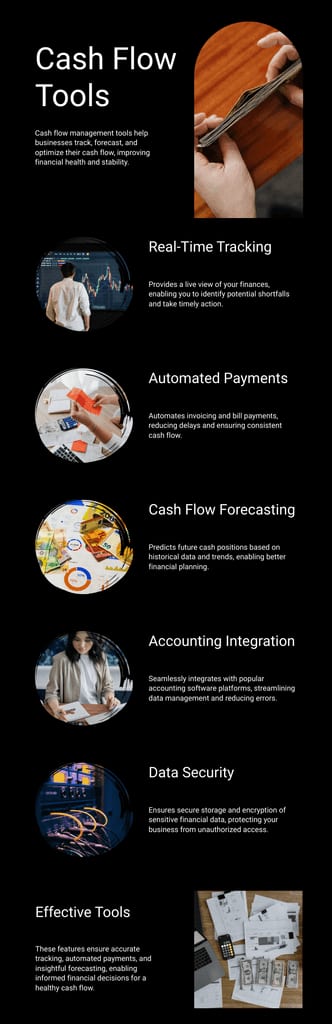
Cash flow management tools are financial software solutions designed to help businesses monitor, analyse, and optimise their cash flow. These tools provide real-time insights into a company’s financial health, allowing business owners to make informed decisions, avoid cash shortages, and plan for future growth. You can learn all about cash flow management .
Key Features of Effective Cash Flow Management Tools
Top 7 Best Cash Flow Management Tools in 2025
1. Cloudfloat – Premium, Secure & Easy-to-Use Cash Flow Solution
Cloudfloat is a top-tier financial tool designed for businesses that need flexible and secure cash flow solutions. It provides instant access to working capital, allowing businesses to manage short-term expenses without disrupting operations.
Key Benefits:
Fast cash flow access.
Flexible payment terms with no hidden fees.
Earn cashback on what you spend.
2. Float
Float integrates with accounting software to provide a clear and visual representation of your cash flow.
3. Pulse
A simple yet powerful tool designed for small businesses looking to track and forecast cash flow.
4. QuickBooks Cash Flow
QuickBooks offers an in-built cash flow feature for businesses already using their accounting software.
5. Xero Cash Flow Manager
Xero provides forecasting and real-time financial tracking for small and mid-sized businesses.
6. PlanGuru
Ideal for larger businesses looking for advanced forecasting and financial modelling.
7. Wave
A free option for small businesses that need basic cash flow tracking and invoicing.
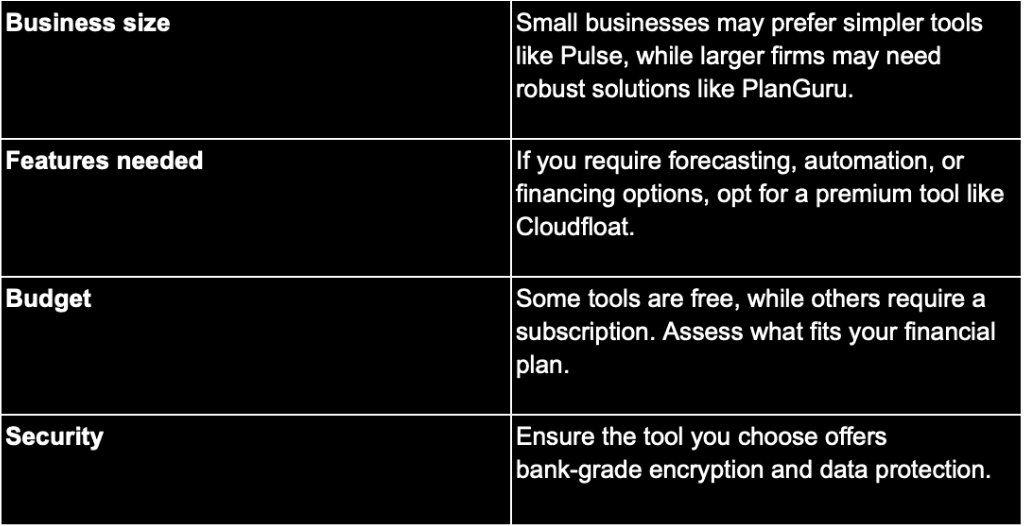
How to Choose the Right Cash Flow Management Tool for Your Business
Choosing the right tool depends on:
Pros and Cons of Using Cash Flow Management Software
Pros of Cash Flow Management Tools
✅ Better financial visibility – Get real-time insights into your cash position.
✅ Automation saves time – Reduce manual work with automated invoicing and bill tracking.
✅ Improved decision-making – Forecasting helps businesses plan for future financial needs.
Cons of Cash Flow Management Tools
❌ Subscription costs – Some premium tools require a financial investment.
❌ Learning curve – New users may need time to understand all features.
❌ Over-reliance on software – Businesses should still perform manual checks and analysis.
How Cash Flow Management Tools Improve Financial Decision Making

By providing real-time data, forecasting insights, and automated processes, cash flow tools empower businesses to make informed financial decisions. With solutions like Cloudfloat, companies can confidently manage working capital and avoid cash shortages. Most cash flow tools have the ability to provide cash flow forecasting and it's importance can be understood .
Real-Life Examples of Improved Financial Decision Making
Retail Business Managing Seasonal Cash Flow
A boutique clothing store experiences seasonal fluctuations in sales. By using Cloudfloat, the business can forecast lower revenue months and secure short-term financing to cover inventory purchases ahead of peak seasons.Freelancer Avoiding Late Payments
A graphic designer using Float integrates it with their invoicing system. This ensures timely reminders and automated follow-ups, reducing late payments and maintaining steady cash flow.Manufacturing Company Reducing Supply Chain Delays
A mid-sized manufacturer relies on QuickBooks Cash Flow to predict upcoming supplier payments. This allows them to negotiate better payment terms and avoid production halts due to insufficient funds.Tech Startup Planning for Growth
A growing SaaS company uses Pulse to track its burn rate and secure funding at the right time, ensuring they never run out of capital before the next investment round.
Alternatives to Cash Flow Tools
1. Manual Cash Flow Management
Using spreadsheets (Excel, Google Sheets)
Creating cash flow statements manually
Tracking income and expenses through a ledger
2. Accounting Software
Using QuickBooks, Xero, or MYOB for cash flow tracking
Built-in financial reports and forecasting features
3. Business Credit Lines & Loans
Using short-term business loans to manage cash shortages
Relying on business credit cards for immediate expenses
Invoice financing to cover delayed payments
4. Financial Advisors & Accountants
Hiring a CFO or accountant for cash flow management
Consulting financial experts for budgeting and forecasting
5. Payment and Invoice Optimisation
Implementing early payment discounts for customers
Negotiating extended payment terms with suppliers
Using automated invoicing for faster collections
6. Cash Reserve Strategies
Setting aside emergency funds for cash flow gaps
Investing in short-term liquid assets for quick cash access
7. Alternative Revenue Streams
Diversifying income sources to maintain steady cash flow
Subscription models, passive income, or side businesses
By leveraging the right cash flow management tool, businesses can stay financially healthy and poised for growth in 2025. Whether you need a flexible financing solution like Cloudfloat or a simple forecasting tool, choosing the right software will set your business up for success.
Ready to take control of your cash flow? with Cloudfloat today!
FAQs
Can small businesses use cash flow management software?
Yes! Many tools cater specifically to small businesses, offering affordable and easy-to-use solutions.
What is the cost of cash flow management tools?
Costs vary from free basic versions to premium tools that charge monthly fees. Cloudfloat offers flexible financing solutions tailored to business needs.
Are cash flow tools secure for sensitive financial data?
Yes, most reputable tools, including Cloudfloat, use bank-grade encryption to ensure data security.
How does cash flow forecasting work in these tools?
Forecasting uses historical financial data to predict future cash positions, helping businesses prepare for potential cash flow gaps.
Common questions
They are financial software solutions that help businesses monitor, analyse and optimise cash flow. Real-time insights into financial health let owners make informed decisions, avoid cash shortages and plan for future growth.
Yes. Many tools cater specifically to small businesses with affordable, easy-to-use options, from free trackers like Wave and simple forecasting tools like Pulse through to flexible financing solutions like Cloudfloat.
Costs vary from free basic versions, such as Wave, through to premium tools that charge monthly fees. Cloudfloat offers flexible financing solutions tailored to business needs, with flexible payment terms and no hidden fees.
Most reputable tools, including Cloudfloat, use bank-grade encryption to protect sensitive financial data. It is still wise to keep performing your own manual checks and analysis rather than relying on the software alone.
Forecasting uses historical financial data to predict future cash positions, helping businesses prepare for potential gaps. A boutique retailer, for example, can forecast lower revenue months and secure short-term financing to cover inventory ahead of peak seasons.