
 Blog
BlogHow Do Business Loans Work?

Business loans let a company borrow from a bank or fintech platform and repay the principal plus interest over a set period. Traditional applications demand months of financial records and approval can take two to six weeks, so it pays to understand the loan types, eligibility factors and trade-offs first. Cloudfloat funds invoices instantly instead, with 30, 60 or 90 days to repay for a low fixed fee.
What Is a Business Loan?
A business loan is a financial arrangement where a business borrows money from a lender, usually a bank or fintech platform, to cover business-related expenses. This might include purchasing equipment, hiring staff, or managing cash flow. The borrower agrees to repay the loan amount (principal) plus interest over a set period.
🏦 The Standard Business Loan Application Process (And Why It’s Outdated)
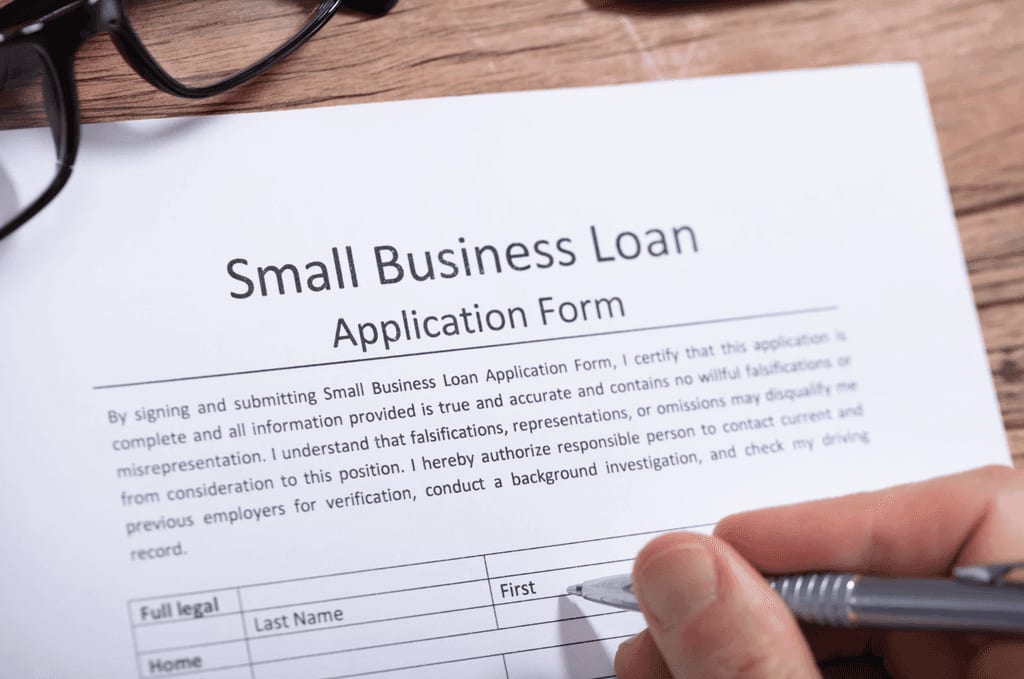
Getting a traditional business loan from a bank can feel like applying for a mortgage slow, rigid, and full of hoops to jump through. Here’s what that process usually looks like:
1. Prepare Financial Documentation
You’ll typically need:
12–24 months of business financial statements
Personal and business tax returns
Cash flow projections
A business plan
Proof of collateral (property, equipment, etc.)
🔄 Real Scenario: Sam runs a growing landscaping company in Adelaide. When he approached a major bank for a $50K loan to buy new trucks, they asked for three years of tax returns and a detailed revenue forecast even though he needed the trucks now to win a major contract.
2. Fill Out the Application
Expect to fill in long forms with questions about:
Your business structure
Purpose of the loan
Detailed personal background info
Credit history checks (personal + business)
⏳ This stage alone can take days or weeks, especially if paperwork is incomplete or outdated.
3. Lender Assessment
This can include:
Manual review by credit teams
Phone interviews or meetings
Verification of collateral
Credit risk scoring models based on old data
🧊 The problem? Traditional banks are risk-averse. They often judge your future potential by your past not your current momentum.
4. Approval (Maybe)
Even if everything looks good, approvals often take 2–6 weeks. If collateral is involved, valuation and legal checks can delay things further.
❌ Many SME applications are rejected because the business is too young, cash flow is inconsistent, or there’s a lack of security.
5. Disbursement & Terms
If approved, funds are released often as a lump sum with:
Fixed monthly repayments
Interest rates (often variable)
Early repayment penalties
Lock-in terms (1–5 years)
💸 Loan Disbursement and Repayments
Disbursement: Once approved, funds are transferred directly to your business bank account.
Repayment: Typically monthly, with options for weekly or customized schedules. Repayments include both principal and interest.
Want a deeper look into how repayments are calculated? Check out our blog on
Types of Business Loans
There isn’t a one-size-fits-all loan. Here's a breakdown of common business loan types:
Loan Type | Best For | Learn More |
|---|---|---|
Term Loans | Long-term growth or major investments | |
Short-Term Loans | Immediate cash needs | |
Invoice Financing | Unlocking capital tied in unpaid invoices | |
Line of Credit | Flexible access to funds as needed | |
Equipment Financing | Buying or leasing new equipment |
Each loan type has its own unique features and benefits. Explore the full list of to find your perfect match.
Key Factors That Affect Business Loans

💳 Credit Score
Your business and personal credit scores influence eligibility and interest rates. Learn more about how work.
💰 Loan Amount
Lenders evaluate your revenue, cash flow, and risk tolerance before determining how much you can borrow.
📈 Business Age & Revenue
Older, revenue-positive businesses have better chances for approval and larger loan sizes.
📉 Debt-to-Income Ratio
A lower ratio = healthier finances = greater loan opportunities.
Pros and Cons of Business Loans
Pros | Cons |
|---|---|
Access to capital when you need it | Can be expensive depending on interest and terms |
Helps grow or stabilise your business | Approval may require strong credit or collateral |
Builds business credit over time | Missed payments can damage your credit score |
Keeps you in control (vs giving up equity) | Fixed repayments can add financial pressure |
💡 So What’s the Alternative?
Enter Cloudfloat.
No paperwork.
No long waits.
No "we'll get back to you in 14 business days."
We assess your real-time cash flow through Xero or your bank feed and we fund invoices instantly, giving you 30, 60, or 90 days to repay for a low fixed fee.
🧾 Compare the Two Side-by-Side:
Step | Traditional Business Loan | Cloudfloat |
|---|---|---|
Time to Apply | Hours to Days | Minutes |
Approval Time | 2–6 Weeks | Same-Day |
Required Documents | 10+ financial and legal docs | ABN + Bank/Xero connection |
Use of Funds | Lump sum only | Invoice-by-invoice |
Collateral Required? | Often | Never |
Interest & Fees | Variable interest, application & exit fees | One fixed fee |
Flexibility | Low - fixed terms | High - choose how and when to use |
🚀 Real Scenario: Instead of waiting 4 weeks for a $40K loan to cover supplier payments, Ella who runs a wine import business used Cloudfloat to fund each supplier invoice as it came in. She saved thousands in early payment discounts and didn’t have to dip into her emergency reserves.
Final Thoughts
Understanding how business loans work is the first step in taking control of your business finances. Whether it’s funding your next big move or just smoothing out seasonal cash flow, there’s a loan solution out there for you and Cloudfloat is here to help.
💡 Ready to make your cash flow problems a thing of the past?
👉 and let Cloudfloat support your growth journey.
FAQs
How do I qualify for a business loan?
Lenders typically assess your credit score, revenue, and time in business. Fintech platforms like Cloudfloat streamline this process for speed and simplicity.
Can startups get business loans?
Yes although options may be limited, platforms like Cloudfloat offer innovative alternatives like .
How much deposit do I need for a business loan?
Traditional lenders may ask for 10-30% deposits. Cloudfloat offers alternatives with flexible terms and no upfront deposit.
What is the disadvantage of a business loan?
Interest costs and the risk of default. However, fintech tools make repayment more predictable and often more affordable.
How is a business loan paid?
Typically via automated direct debits from your business account, weekly or monthly.
How does a business borrow money?
You apply through a lender or fintech platform, provide business details, and upon approval receive funds into your account.
Can I get a business loan with no money?
Some lenders require deposits; others, like Cloudfloat, allow you to fund invoices with no upfront capital.
What is the easiest business loan to get?
Invoice financing and short-term loans through are typically easier to access with fewer requirements.
Common questions
Traditional bank approvals often take 2 to 6 weeks, and collateral valuations or legal checks can extend that further. Incomplete paperwork adds delays, which is why fintech platforms offering same-day decisions have become popular.
Lenders weigh your business and personal credit scores, revenue and cash flow, time in business, and debt to income ratio. Older, revenue positive businesses generally have better chances of approval and larger loan sizes.
Repayments are typically automated direct debits from your business account, weekly or monthly, covering both principal and interest. Traditional loans often carry fixed terms of 1 to 5 years and may include early repayment penalties.
Traditional lenders may ask for deposits of 10 to 30 per cent of the loan. Some alternatives skip this entirely; Cloudfloat, for example, lets businesses fund invoices with no upfront capital.
Rather than issuing a lump sum, Cloudfloat assesses real-time cash flow through Xero or a bank feed and funds invoices instantly, with 30, 60 or 90 days to repay for a low fixed fee and no collateral required.